Color me shocked. Governor Gianforte vetoed a bill that would have allowed Montana hunters an opportunity to put in for the state’s most premier permits — the statewide sheep and moose tags. Instead, Gianforte’s veto guarantees these opportunities go to his fat cat buddies.
House Bill 283 simply provided the option — like all other statewide tags — for conservation and hunting groups to offer proposals to raise funds via an auction or a lottery. These two tags wouldn’t have necessarily turned into a raffle but would have allowed the conversation to take place. At a time when the statewide mule deer and mountain goat licenses just set new records for funds raised, both using the raffle model for the very first time.
It’s no wonder HB 283 had unanimous support in the House, and bipartisan support in the Senate. The only reason to oppose HB 283 is if you want to ensure that these statewide permits continue to go to the highest bidder. It’s no longer about what option can raise the most money. If it was, Gianforte wouldn’t be afraid to try out new strategies and see what works best, especially in light of the mule deer and mountain goat raffle records.
Only three hunting groups opposed HB 283: the Wild Sheep Foundation and its Montana affiliate, and the Rocky Mountain Elk Foundation. Despite RMEF’s lobbyist being the lead opposition in the Capitol. Once RMEF’s chief conservation officer got wind of this, RMEF had to send a letter changing their position to neutral because RMEF simply had no business opposing it.
Where the ‘miscommunication,’ as RMEF called it, really came from is that the contract lobbyist for RMEF is also the contract lobbyist for the WSF. Another dirty lobbyist trick, double-dipping and trying to provide a facade of support to benefit one client by offering the blessing of their other client. Tsk tsk, contract lobbyist. Bad form.
But WSF buckled down, potentially having to compete to auction or raffle the sheep tag was too much to bear. I don’t recall WSF’s head honcho ever having been to the Capitol to testify on any bills related to sheep, fair chase, public access, or habitat, or to attend any of the public land rallies. But when he thought WSF’s bottom line — and his $426,151 salary were on the line, there he was in his snakeskin cowboy boots ready to oppose the bill.
These high-dollar tags fill WSF’s annual banquet with millionaires and billionaires and allow them to effortlessly bring in hundreds of thousands of dollars lining their pockets, while beating their chests, the reason these tags generate so much money for conservation.
It’s clear to see how WSF got here. A California native, WSF’s President and CEO formerly ran the Dallas Safari Club, and worked for Safari Club International. Both organizations are notorious for turning a profit using high-dollar auctioned licenses.
WSF’s president and CEO was a tech salesman, something he has in common with his buddy Gianforte. Which brings me to the final piece of this puzzle: why did Gianforte veto HB 283? After all, the ones who would have decided on proposals for auctions or raffles are the seven Commissioners that Gianforte himself appoints; does he believe his Commission isn’t fit to make grown-up decisions?
Or was this just one wealthy former-tech sales Bozemanite transplant asking another rich, former tech-sales Bozemanite transplant for a favor, the wishes of Montanans and the North American Model of Wildlife Conservation be damned?
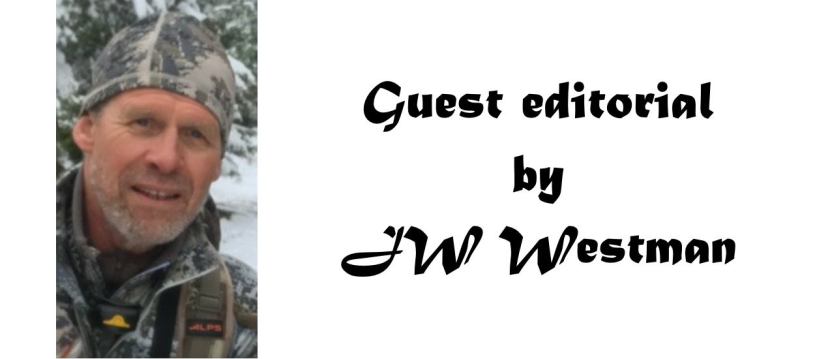
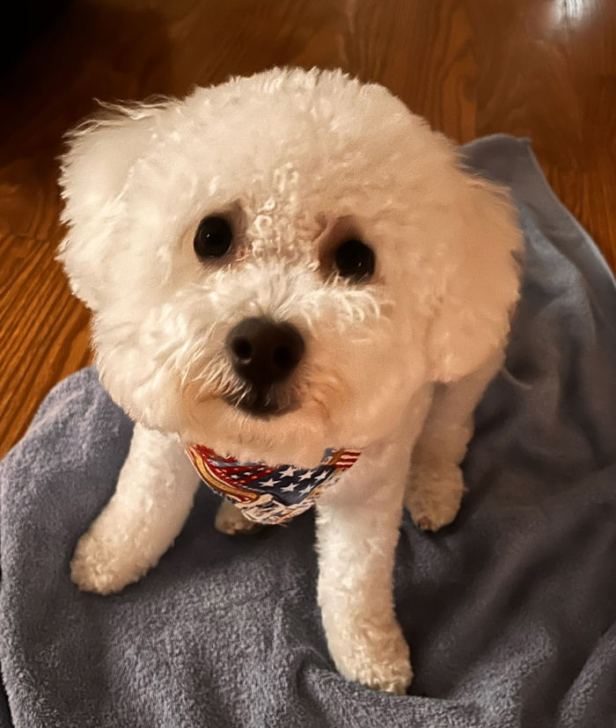
— JW Westman, of Park City, is a long-time sportsman and conservation advocate. He, like us at the Mad About Montana, is secure enough to take his little dog Oliver everywhere he goes.
 Mad About Montana Podcast
What gets me about this is you hunter guys (I do mean guys) who are always saying you pay for all the dear wildlife (so you can kill it) really just want to kill. When you can’t do as much of that as you want you go after each other. Fair game I guess but it shows your true self. When its between you hunter guys or “them hunter guys” it doesn’t matter anymore how much gets paid but all about what you get to kill. Haven’t heard “tsk” in awhile (and never from a guy, but I get the thing about the cutie pie dog) but back at ya.
LikeLike